ServicesEquipment Sales
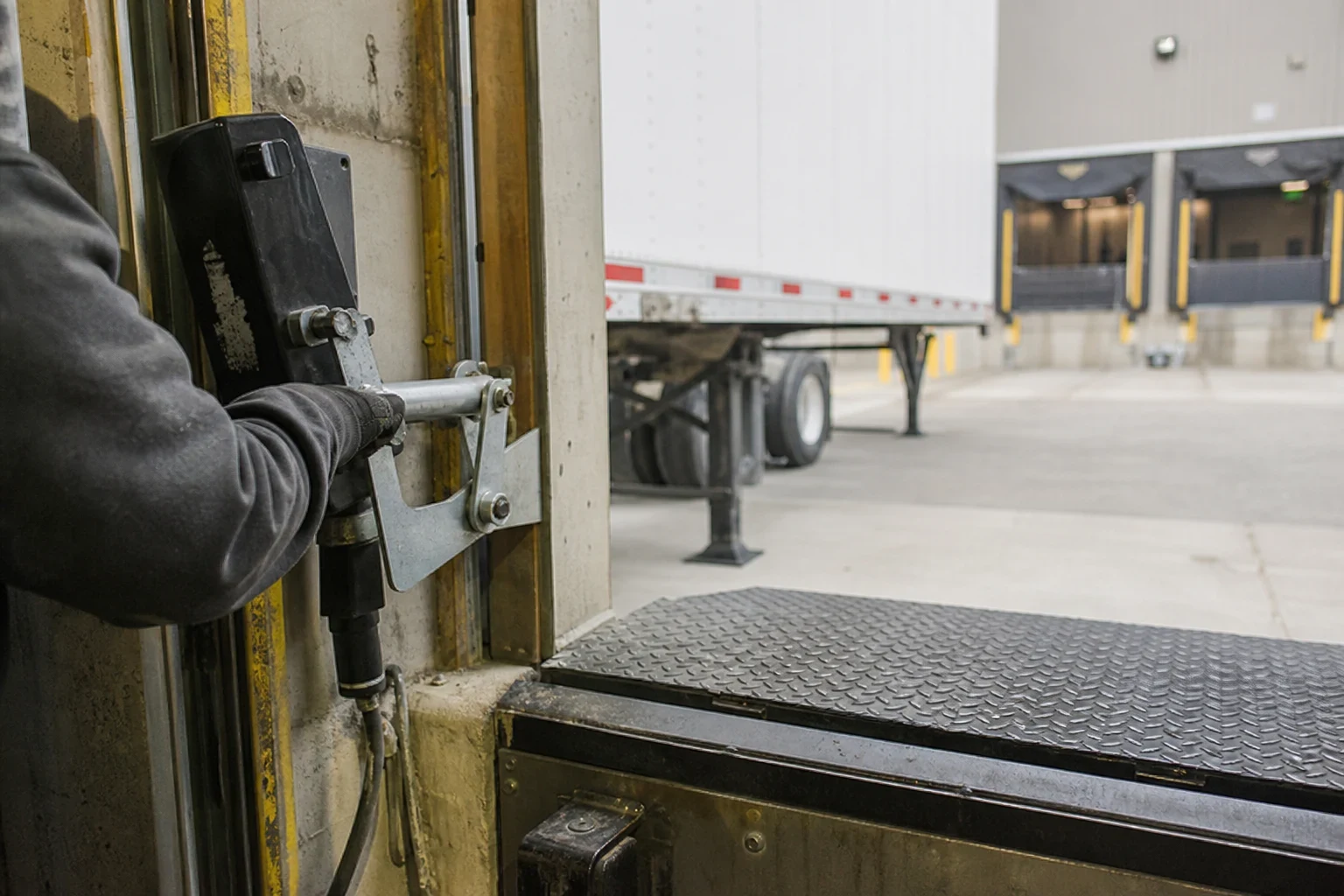
Loading Dock Equipment Sales in Hazleton
Buying a dock leveler, vehicle restraint or door is easier when someone measures your dock, asks about your trailers and loads, and explains the options plainly. We help you pick equipment that fits, and one person stays with you from the first question through delivery.
Equipment Chosen Around How Your Dock Works
Most bad equipment purchases are not bad products. They are good products picked for the wrong dock. A leveler rated too light for your forklifts wears fast. A lip too short for the trailers you actually receive leaves a gap your drivers have to bump across all day.
We start with your facility, not a catalog. How high is the dock face? What range of trailers backs in, from low-deck reefers to tall dry vans? How heavy are your loaded forklifts, and how many trucks turn each shift? Those answers point to the right leveler type, capacity and platform size, and to whether a vehicle restraint, new overhead door or high speed door belongs in the same plan.
You deal with one person the whole way. The same contact who visits your dock writes the quote, places the order, tracks delivery and lines up installation, so you are not repeating your dock measurements to three different people.
What We Help You Buy
- 01
Dock levelers
Pit levelers in mechanical, hydraulic and air-powered styles, along with edge-of-dock units for docks where trailer heights stay consistent. We lay out how each compares on maintenance, push-button ease and the traffic it can take.
- 02
Vehicle restraints
Restraints that catch the rear impact guard on the trailer so it is less likely to drift from the dock while you load. They can be tied into your leveler and door controls so every load follows the same steps.
- 03
Overhead and high speed doors
Sectional overhead doors for typical dock openings, plus high speed doors where quick cycling keeps heat in or cold rooms cold. We talk through insulation ratings and opening size with you.
- 04
Rolling grilles
Grilles for spots that need to stay locked while letting air and sightlines through, like receiving cages or pass-throughs inside the building.
- 05
Dock bumpers and seals
The smaller pieces that guard your wall and seal the space around a parked trailer. Adding them is often inexpensive when you are already buying bigger equipment.
Questions about Equipment Sales?
Call(570) 754-9415Signs It Is Time to Shop for New Equipment
Repairs keep coming back
When the same leveler needs a new spring, cylinder or hinge pin every few months, the repair bills start to outpace the value of the unit. We will tell you honestly if a repair still makes sense.
Your trailers or forklifts changed
New carriers, taller trailers or heavier electric forklifts can outgrow equipment that was sized for an older operation.
Drivers struggle at the dock
Steep transitions, lips that barely reach the trailer bed and wheels that catch on the edge slow every load and wear out your forklifts.
You are adding or rearranging doors
An expansion, a new cold storage area or a reworked receiving layout is the natural time to choose matching equipment for every position.
Safety concerns on the dock
Trailer creep, near misses or a recent incident are good reasons to look at vehicle restraints and interlocked controls.
How a Purchase Moves Along
- 1
A phone conversation
You tell us what is going on at your dock and what you hope to change. We ask a few questions about your trailers, loads and traffic.
- 2
A visit to measure
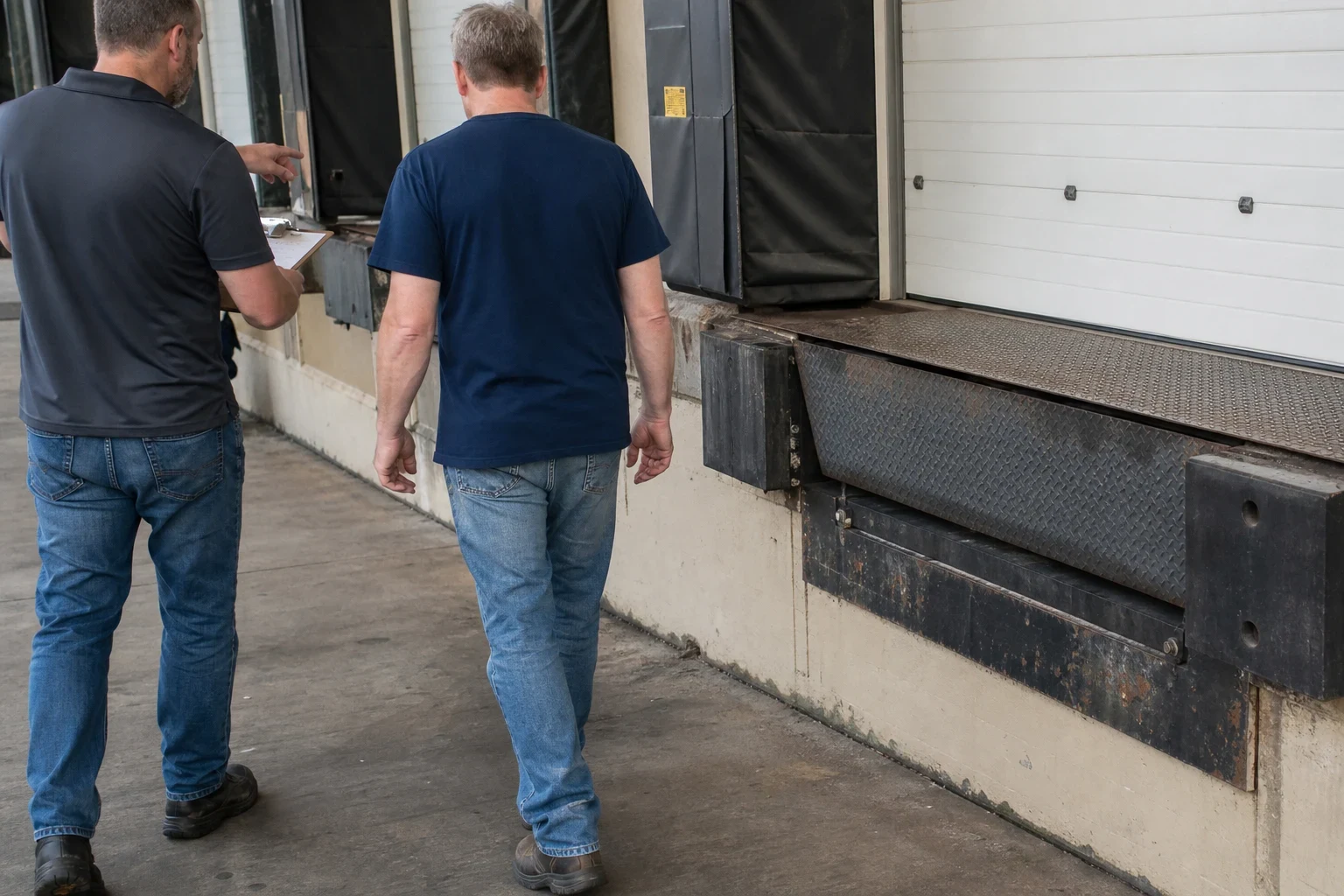
We look at the dock face, pit dimensions, concrete condition, door openings and power supply, and take photos so nothing is guessed later.
- 3
Options in writing
You get a written quote with the equipment we recommend and, where it fits, a second option. Each line explains what you are paying for and why.
- 4
Ordering and delivery
Once you approve, your contact places the order, keeps you updated on lead times and schedules delivery around your receiving hours.
- 5
Installation and handoff
Our loading dock equipment installation crew sets the equipment, tests it with your team and cleans up the dock before leaving.
What Moves the Price
Equipment prices vary widely, and the sticker on the unit is only part of the total. We break the quote down line by line so you can see where the money goes and decide what matters most for your facility.
- Equipment type
- Mechanical levelers usually cost less up front than hydraulic or air-powered units, which trade a higher price for push-button operation and lighter upkeep.
- Capacity and size
- Higher weight ratings, wider platforms and longer lips cost more. Sizing to your real forklift weights avoids paying for capacity you never use.
- Condition of the pit and dock
- Cracked curbs, worn pit angles or concrete damaged by years of freeze and thaw may need repair before new equipment can sit level.
- Controls and add-ons
- Interlocks between restraints, levelers and doors, dock lights, seals and bumpers each add to the order, though bundling them can simplify installation.
- Number of positions
- Outfitting several doors at once spreads delivery and setup over more units than replacing a single position.
Questions About Buying Dock Equipment
Should I choose a hydraulic or a mechanical dock leveler?
It depends on how busy your dock is and who runs it. Hydraulic levelers work with a push button and tend to need less frequent adjustment, which suits high-traffic docks and rotating staff. Mechanical levelers cost less to buy but rely on springs that need regular attention. We walk you through both for your situation.
Can new equipment fit my existing pit?
Often it can, but pit sizes are not universal. We measure the pit and check the curb angles and concrete before recommending anything. If the pit needs work, it shows up on the quote rather than as a surprise on installation day.
How do I know what capacity I need?
We look at the loaded weight of your heaviest forklift, how often it crosses the leveler and how steep the ramp gets with your typical trailers. Those factors together set the rating, not just the weight of the load itself.
How long does it take to get new equipment?
Lead times depend on the manufacturer and the specific model. We give you a realistic estimate with your quote and update you if anything changes after the order is placed.
Who do I talk to after I place the order?
The same person who measured your dock and wrote your quote. They handle ordering, delivery, installation scheduling and any questions afterward, so you always know who to reach.
Pick Equipment That Fits Your Dock
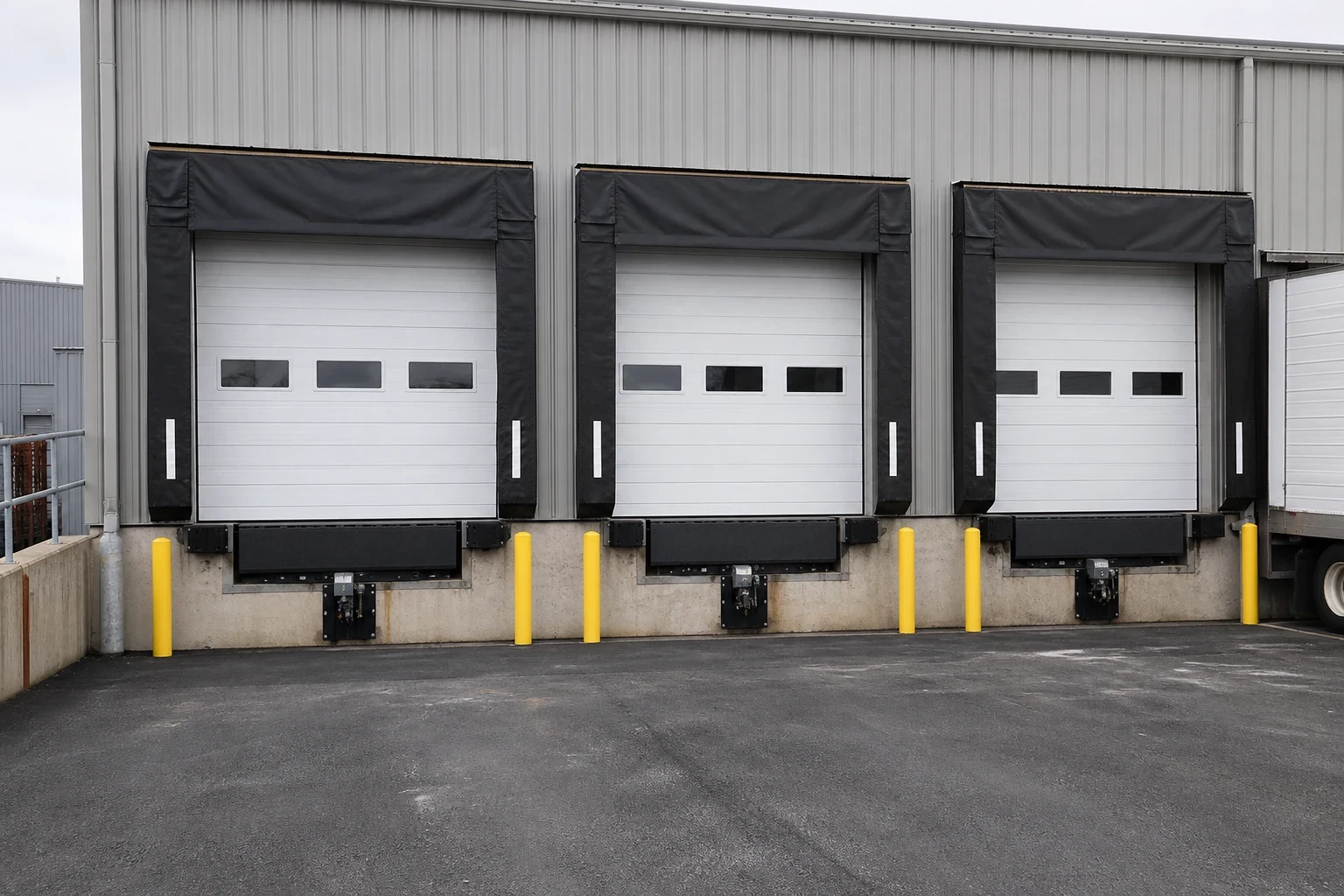
Let us know what trailers you receive, what you load and what is giving you trouble now. We will come out to measure and give you written options, with the same contact the whole way through.